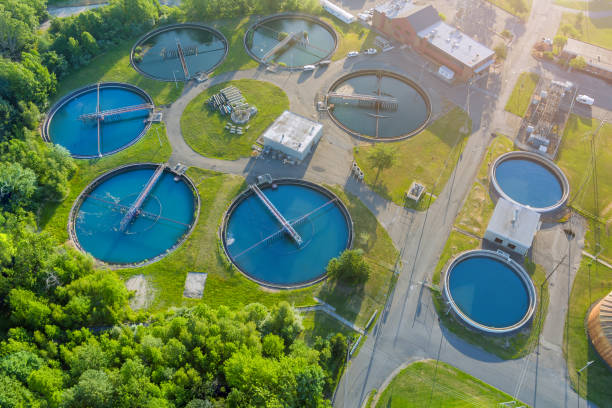
Biochemical oxygen demand is a fundamental parameter in water quality assessment, widely used to determine the level of organic pollution in water bodies. It reflects the amount of oxygen required by microorganisms to decompose biodegradable organic matter. Measuring biochemical oxygen demand is essential for environmental monitoring, wastewater management, and regulatory compliance. It plays a vital role in maintaining ecological balance and ensuring safe water resources.
Understanding Biochemical Oxygen Demand
Biochemical oxygen demand (BOD) indicates the oxygen consumption by aerobic bacteria during the breakdown of organic substances. The test is commonly conducted over five days, known as BOD₅, under controlled conditions.
Why Biochemical Oxygen Demand Matters
Biochemical oxygen demand provides insight into the pollution load of water. It helps professionals:
- Evaluate water contamination levels
- Monitor treatment plant performance
- Ensure environmental standards are met
Higher biochemical oxygen demand values suggest increased organic matter, which can reduce dissolved oxygen levels and threaten aquatic ecosystems.
Factors Affecting Biochemical Oxygen Demand
Several environmental and chemical factors influence biochemical oxygen demand levels.
Temperature
Higher temperatures accelerate microbial activity, increasing biochemical oxygen demand. Conversely, lower temperatures slow down decomposition.
Organic Matter Concentration
The more biodegradable material present in water, the higher the biochemical oxygen demand. Industrial discharge and sewage significantly contribute to this increase.
Microbial Activity
The presence and efficiency of microorganisms directly impact the rate at which oxygen is consumed.
Measurement Techniques
Accurate measurement of biochemical oxygen demand is critical for reliable data.
Standard BOD Test
Water samples are incubated for five days, and oxygen levels are measured before and after incubation to determine biochemical oxygen demand.
Advanced Monitoring Methods
Modern techniques include automated sensors and respirometric analysis, which provide faster and more precise results.
Environmental Significance
Biochemical oxygen demand is an essential indicator of ecosystem health.
Pollution Detection
Rising biochemical oxygen demand levels signal contamination, prompting corrective actions.
Water Resource Management
Authorities use biochemical oxygen demand data to manage and protect water bodies effectively.
Conclusion
Biochemical oxygen demand remains a key tool in water quality management. It helps identify pollution sources, evaluate treatment efficiency, and protect aquatic life. By understanding and controlling biochemical oxygen demand, we can ensure sustainable and healthy water systems for future generations.